
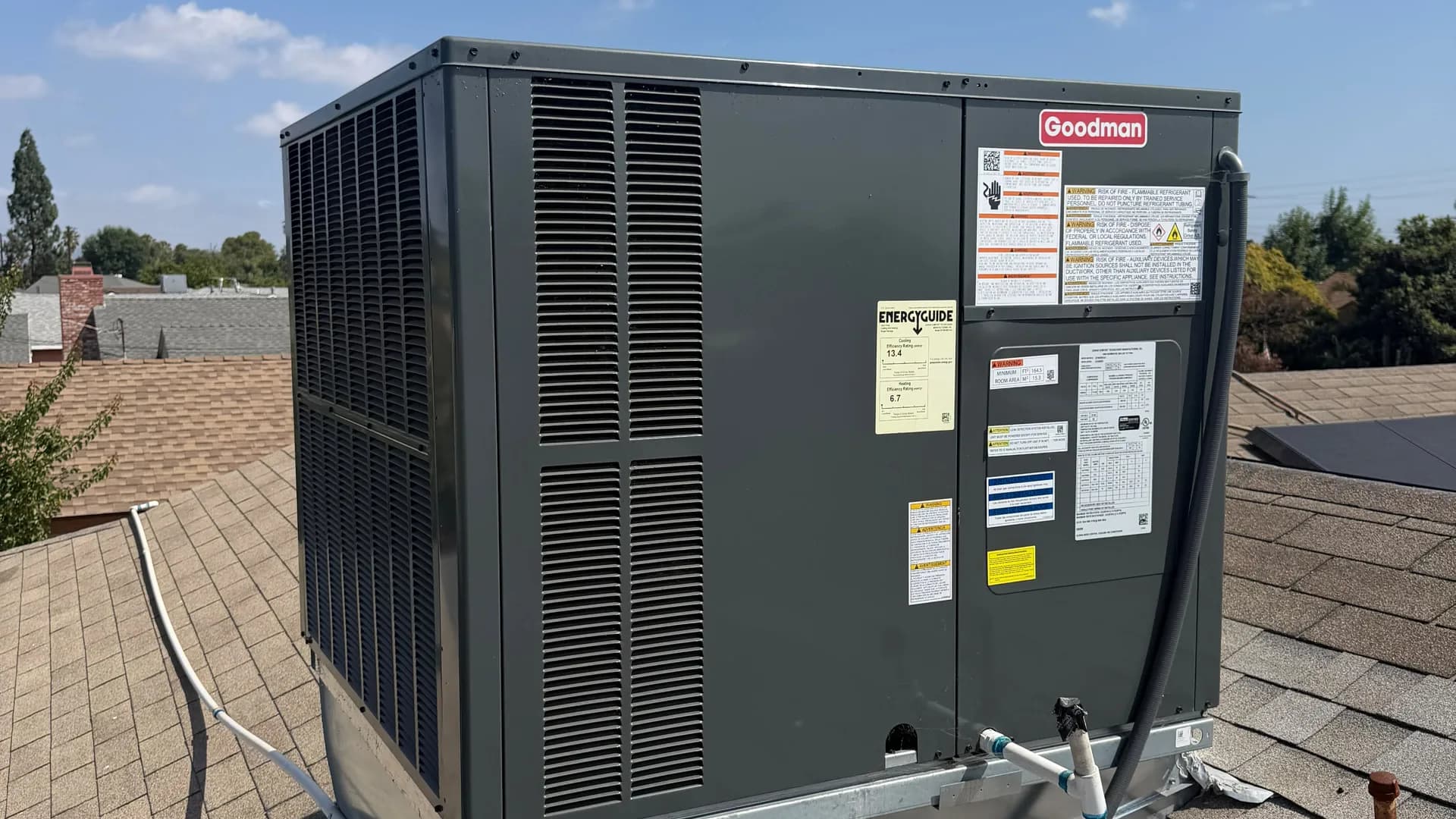
Glendora, Los Angeles County
Multi-Family HVAC in Glendora, CA
Multi-Family HVAC in Glendora, Los Angeles County: what the work involves here, and how to get it quoted.
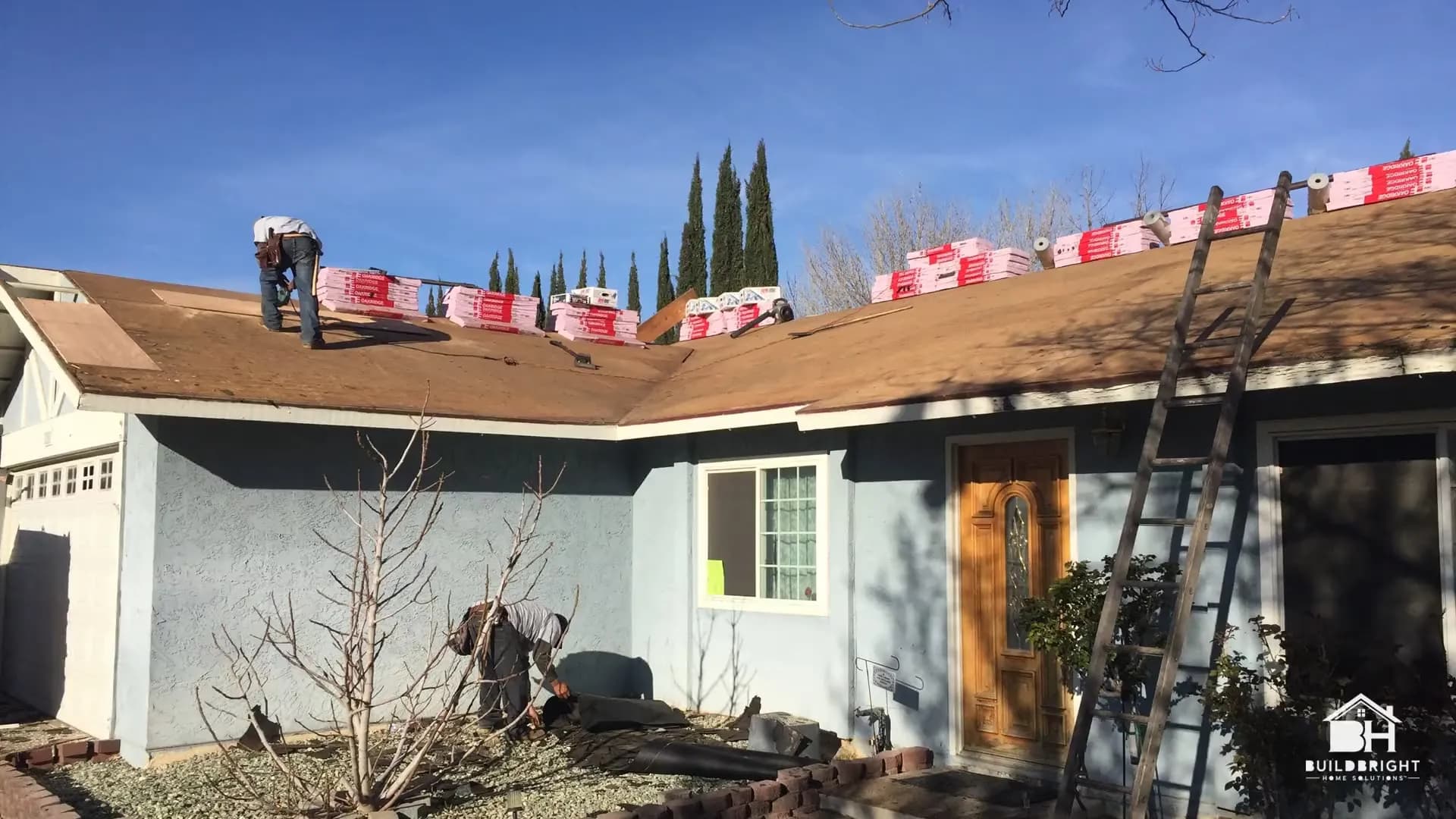
Free Home Systems Assessment
- HVAC • Electrical • Roofing • Insulation
- Professional Evaluation for Replacement Projects
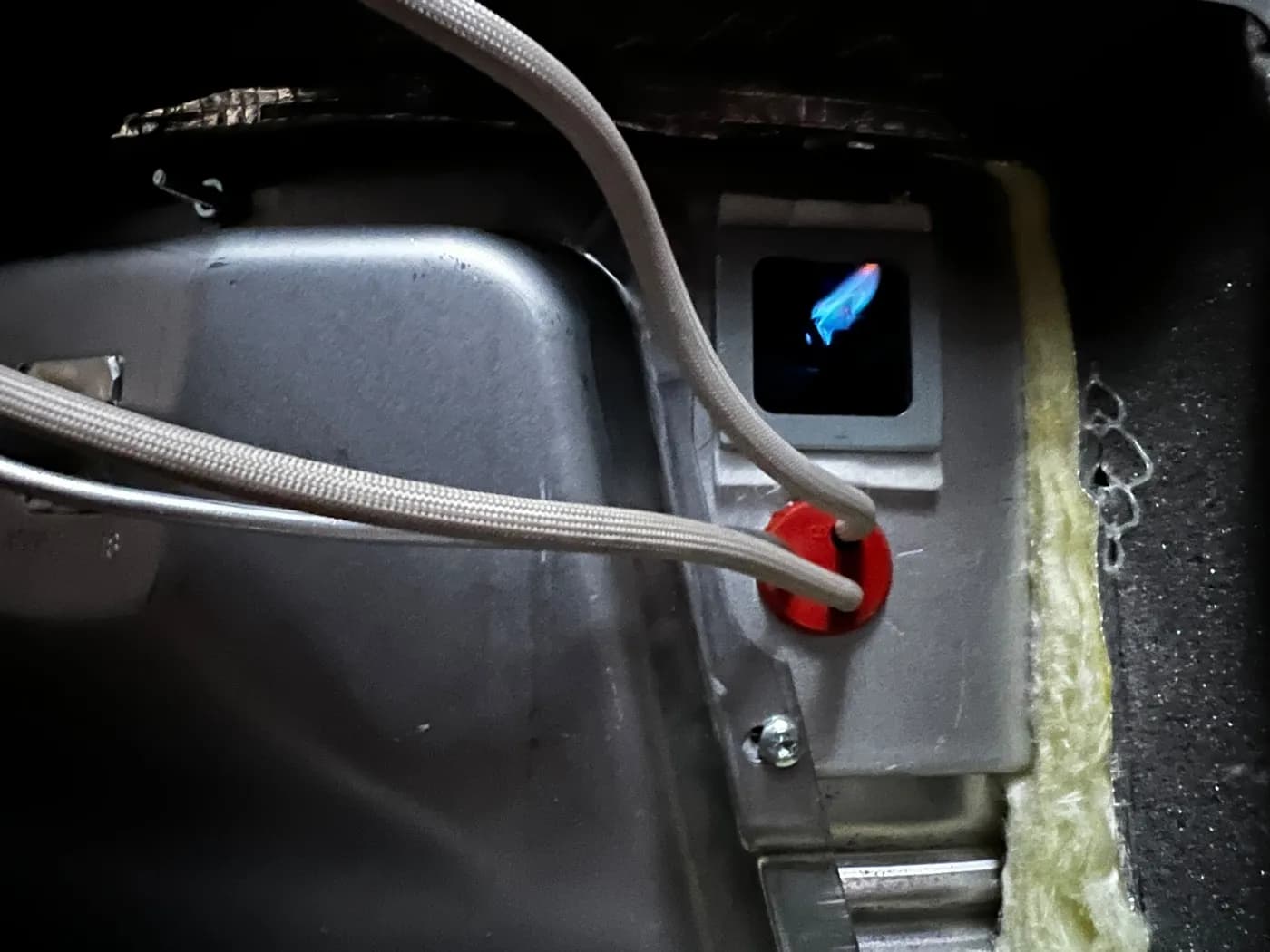
Multi-Family HVAC in Glendora
Glendora property owners managing apartment buildings or condominium associations face a specific challenge: aging post-war tract construction with original ductwork that was never designed to carry today's cooling loads. When one unit overheats, residents notice fast, and vacancies follow. Build Bright Home Solutions plans and executes unit-by-unit and central system replacements across multi-family properties in Glendora and the broader San Gabriel Valley. Our team brings mechanical, electrical, and building-envelope upgrades across Southern California, backed by 26 years of industry experience, so ownership groups and HOA boards get a single accountable contractor from assessment through final commissioning.
Whether you are planning a phased replacement or need to move quickly on a failing central plant, we coordinate around tenant schedules to keep disruption low and properties occupied.
Glendora sits in the eastern San Gabriel Valley where suburban tract housing from the 1950s and 1960s makes up a significant share of the rental and condominium stock. That era of construction brought minimal attic insulation and duct systems that were not sized for modern multi-zone equipment. Large south-facing roof planes are common, which creates high attic temperatures that shorten equipment life and raise cooling demand unit by unit throughout summer. HOA rules in many Glendora communities also govern where mechanical equipment and associated electrical work can be placed, which affects equipment selection and scope planning. Build Bright accounts for these site constraints during the assessment phase so project drawings match what approvals actually require. Demand for reliable comfort runs year-round here, and property performance depends on equipment that was specified for this climate and building type from the start.
The ducts are often the weak link. A high-efficiency system pushing air through leaky 1960s ducting never delivers its rating.
What that involves
- Unit-by-unit HVAC replacement in occupied apartment and condominium buildings, coordinated around tenant schedules
- Central plant assessment and replacement for shared heating and cooling systems serving multiple units
- Duct inspection, sealing, and replacement to address undersized or deteriorated original ductwork common in post-war Glendora construction
- Electrical service and panel upgrades required to support new high-efficiency HVAC equipment
- Building-envelope consultation covering attic insulation levels that directly affect equipment sizing and energy performance
Glendora
Multi-Family HVAC questions from Glendora
- How do you replace HVAC equipment in occupied units without displacing tenants?
- We schedule individual unit work in advance with the property manager and complete each unit swap in a single day where equipment access allows. Tenants are notified in writing before work begins. For central systems, we coordinate planned outage windows during mild weather periods when temporary loss of heating or cooling causes the least hardship.
- Our Glendora condo HOA has rules about rooftop and exterior equipment. How does that affect the project?
- HOA CC&Rs and architectural guidelines affect where condensing units, line sets, and electrical disconnects can be located. We review those documents before finalizing equipment selections and placement drawings so the scope submitted for HOA approval is accurate the first time. This avoids rework and keeps the project timeline on track.
- Do you handle the electrical work that new HVAC units require, or do we need a separate electrician?
- Build Bright performs mechanical, electrical, and building-envelope work under one contractor relationship. If new equipment requires a circuit upgrade, a panel addition, or a dedicated disconnect, we include that in the project scope rather than leaving it as a separate coordination item for ownership.
- How long does a full multi-unit HVAC replacement project typically take to plan?
- Planning timelines depend on building size, existing documentation, and HOA or permit requirements. A property with complete as-built drawings and straightforward HOA approval can move from site assessment to approved scope faster than one requiring field measurements and multiple approval rounds. We outline realistic planning milestones during the initial assessment so ownership groups can make informed scheduling decisions.
- Should we replace ductwork at the same time as the HVAC units?
- In post-war Glendora buildings, original duct systems are often undersized for modern equipment and may have significant leakage. Installing a new unit on failing ductwork reduces efficiency and shortens equipment life. We inspect existing duct conditions during the assessment and recommend replacement or sealing where the duct system would compromise the new equipment's performance.
Multi-Family HVAC in Glendora?
Call (818) 915-1604 and tell us about the building.