
The whole-home approach
Energy upgrades, in the order that actually saves money
One sequence across the whole stack. Do these in order and each step makes the next one smaller. Do them in the usual order and you pay for capacity you did not need.
Why the order matters more than the products
The standard path is that something breaks, you replace it with a bigger version of itself, and a year later somebody sells you the next box to cover the bill. Every step is reasonable on its own. Together they cost far more than they need to.
Each measure below changes the size of the ones after it. Insulation lowers the cooling load, which shrinks the air conditioner. A smaller air conditioner draws less, which leaves more panel capacity, and that headroom is what makes an EV charger or a heat-pump conversion a simple job instead of a service upgrade.
Run in reverse, none of that compounding happens and you buy each piece at full size.
The sequence
Find out where the energy is actually going
Before anything is bought, measure. Attic insulation depth, duct leakage, air sealing at penetrations, window orientation and glazing, roof color and condition. In most Southern California homes built before 1990, the answer is not the air conditioner, it is the envelope around it.
Seal and insulate the envelope
Air sealing first, then insulation. This is the cheapest measure per unit of comfort gained and it is the one that makes every later step smaller. An attic that is properly sealed, insulated and ventilated lowers the cooling load enough to change what equipment you need.
Fix the surfaces the sun hits
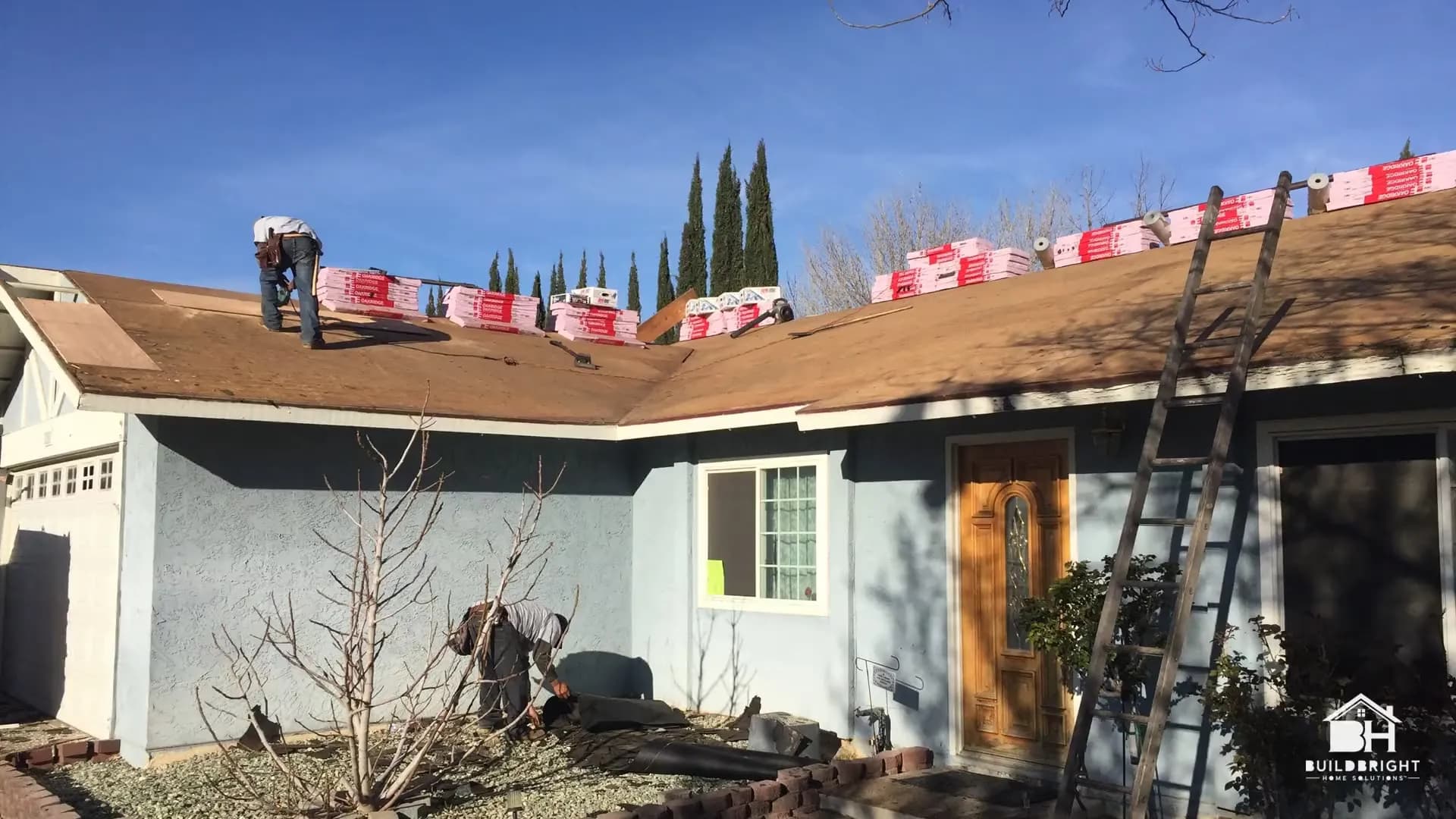
The roof and the west-facing glass take the worst of it. A cool roof assembly lowers attic temperature substantially, and low-SHGC glazing on the right elevations cuts solar gain where it matters. Both are usually happening anyway on an aging house, sequencing them here is free.
Now size the equipment
With the load reduced, a Manual J calculation gives you a smaller system than the one you were about to replace like for like. Smaller equipment costs less, runs longer per cycle, dehumidifies better and lasts longer. This is the step where the first three earn their keep.
Then electrify on the freed capacity
A smaller, right-sized system draws less, which leaves panel headroom. That headroom is what turns an EV charger or a heat-pump conversion into a straightforward circuit instead of a service upgrade. Where the panel is genuinely at its limit, upgrading it is the last step, sized once, for everything you actually plan to run.
About rebates and tax credits
Federal, state and utility incentive programs exist for most of the measures on this page. They also change during the year, run out of funding, and differ between utility territories, and there are seven counties in our service area.
We will point you at the authoritative source for your address and your utility. We will not tell you what you qualify for or what it is worth, and you should be wary of any contractor who does. A rebate quoted wrong comes out of your pocket, not theirs.
All 16 services
- HVAC Replacement
- Heat Pump Installation
- Commercial & Industrial HVAC
- Multi-Family HVAC
- HVAC Maintenance & Service Agreements
- HVAC Repair
- Electrical Panel Upgrades
- Whole-Home Rewiring
- Commercial & Industrial Electrical
- EV Charger Installation
- New Construction Electrical
- Roof Replacement
- Insulation
- Energy-Efficiency Upgrades
- Exterior Painting
- Water Heater & Tankless Replacement
Available across 200+ cities in 7 Southern California counties.
Start with an assessment, not a quote
Call (818) 915-1604. We will look at the house first and tell you which step you are actually on.